
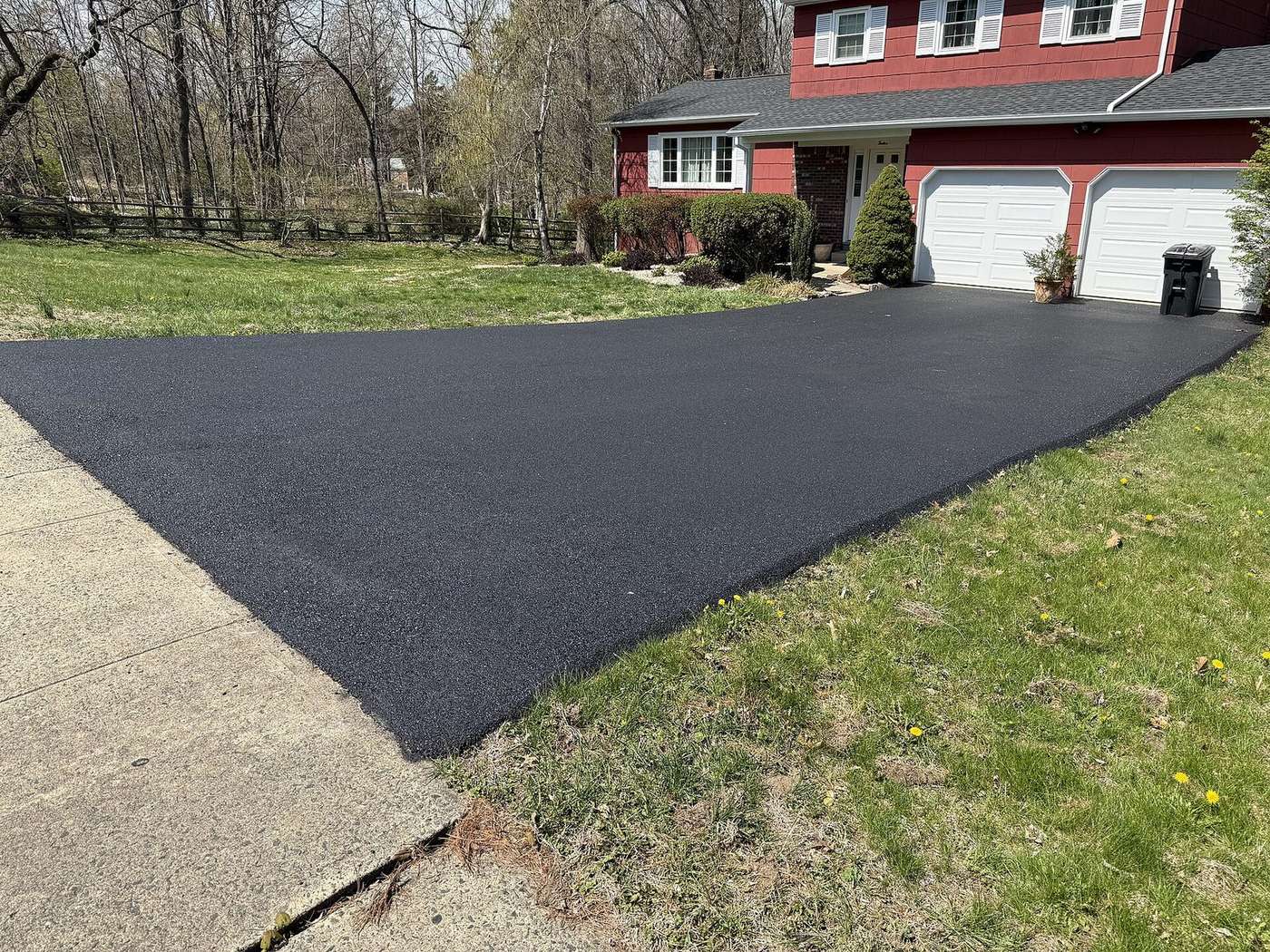
Tarmac driveways, Norwich
Tarmac driveways in Norwich and across Norfolk
Tarmac Driveways Norwich lays new tarmac driveways, resurfaces tired ones and repairs the damage, for homes and businesses in Norwich and across Norfolk. Tell us about your drive and we'll reply to talk it through and give you a price.
What we do
Everything we do is tarmac and its close relatives. Pick the job that sounds like yours to read what it involves.
-
Tarmac driveways
New tarmac driveways laid on a properly built base, with edging and drainage planned in.
-
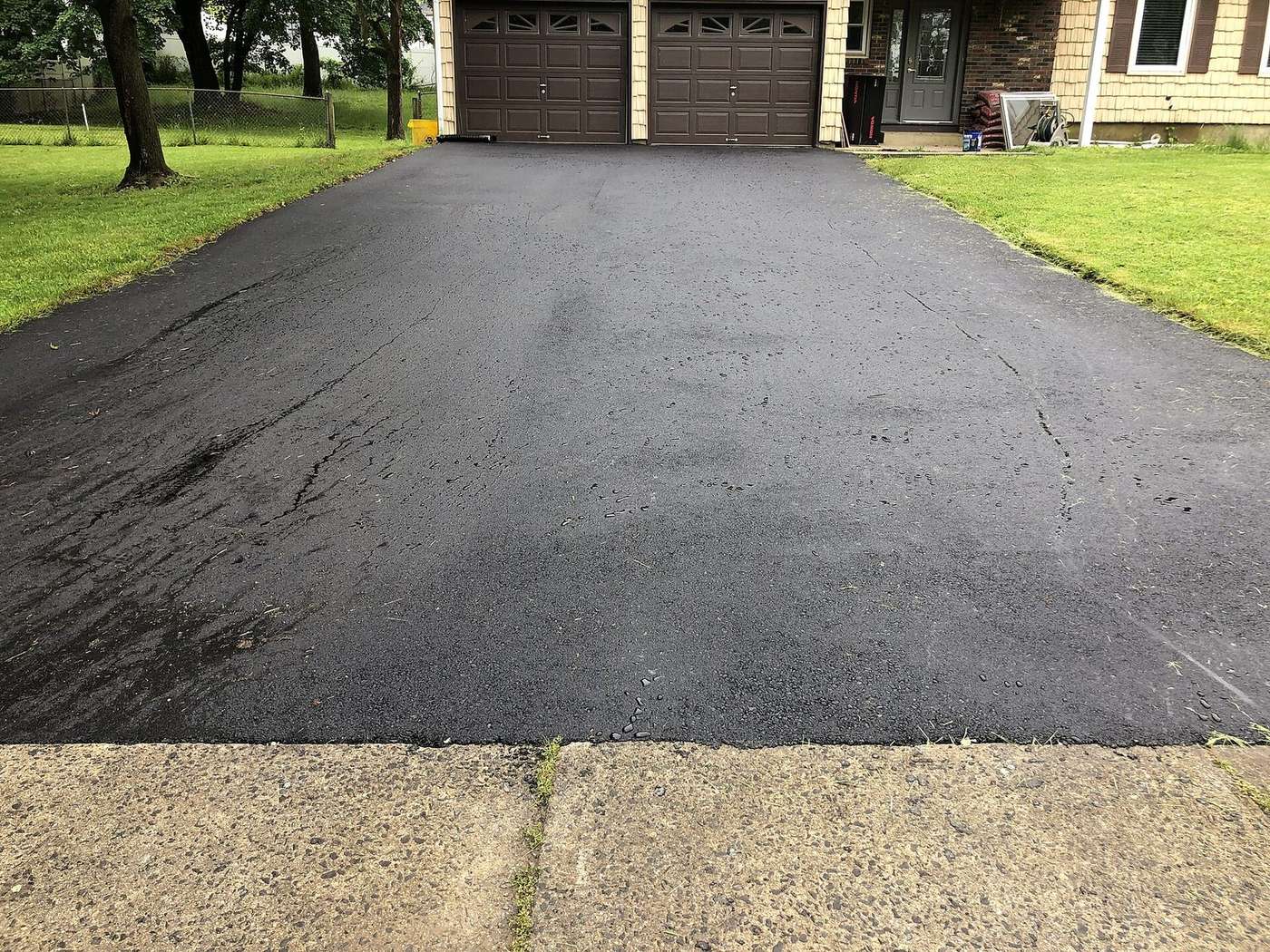
Tarmac resurfacing
A fresh tarmac surface over a driveway whose base is still sound.
-
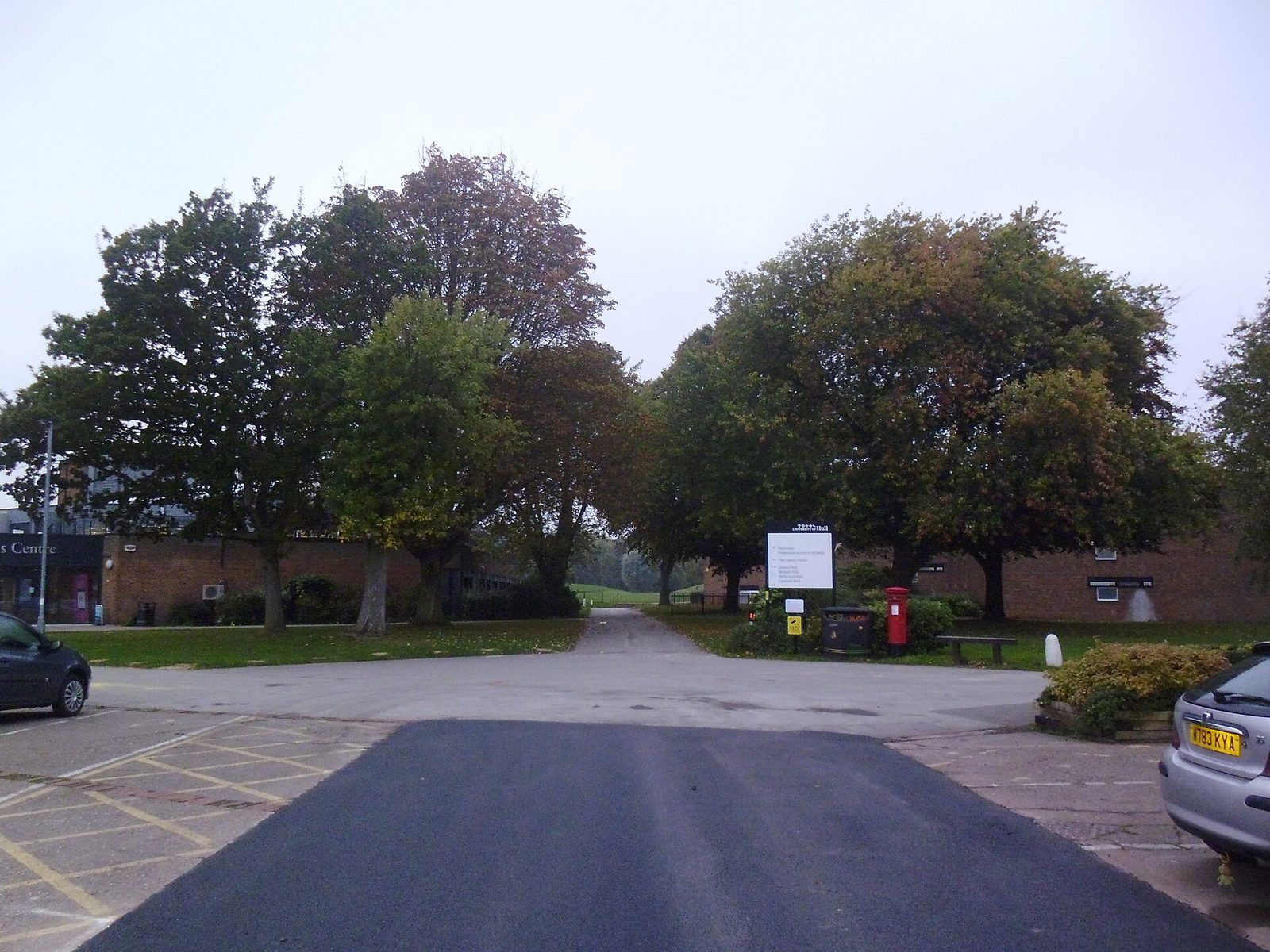
Tarmac repairs
Potholes, cracks and sunken patches cut out and made good.
-
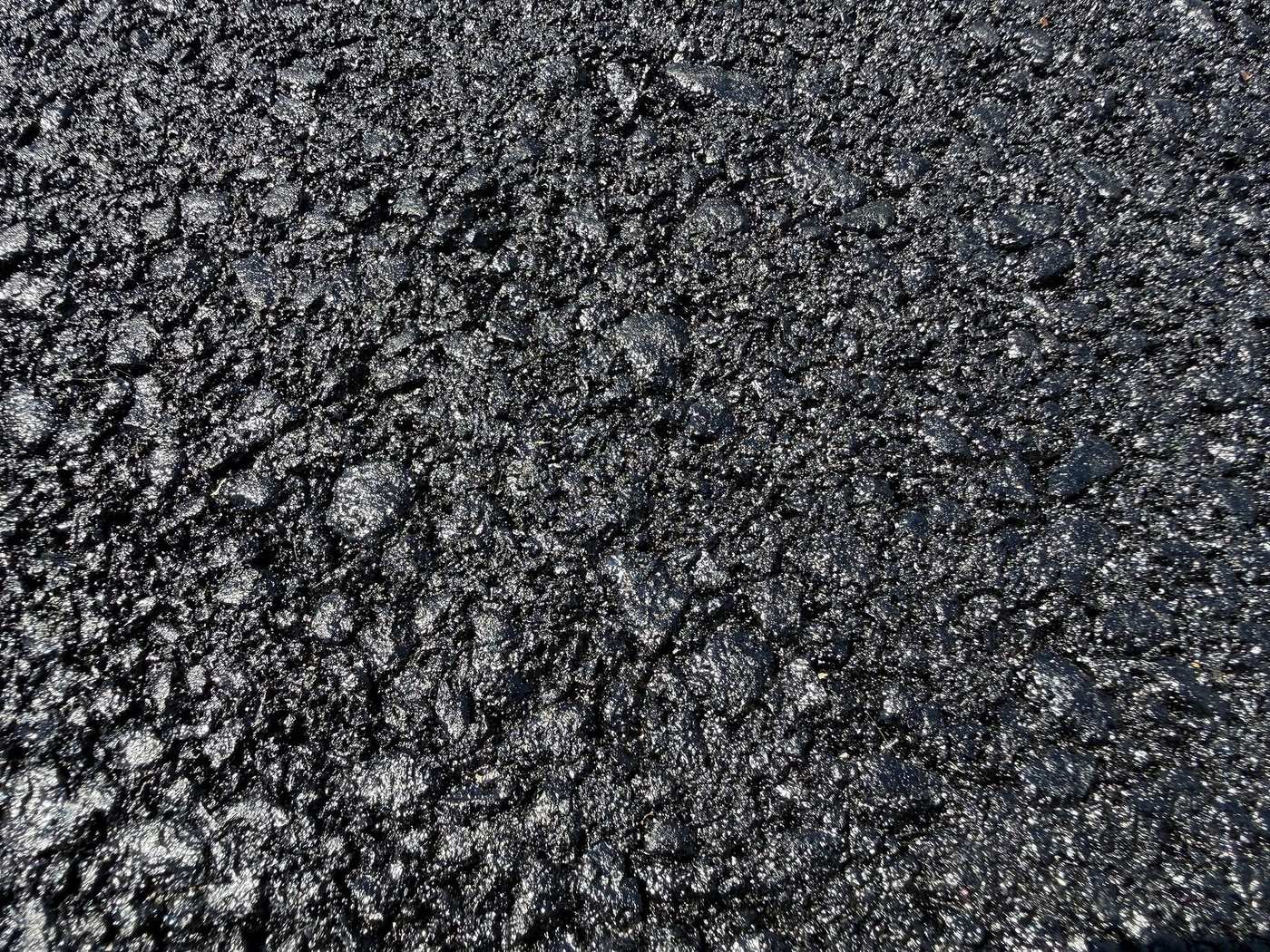
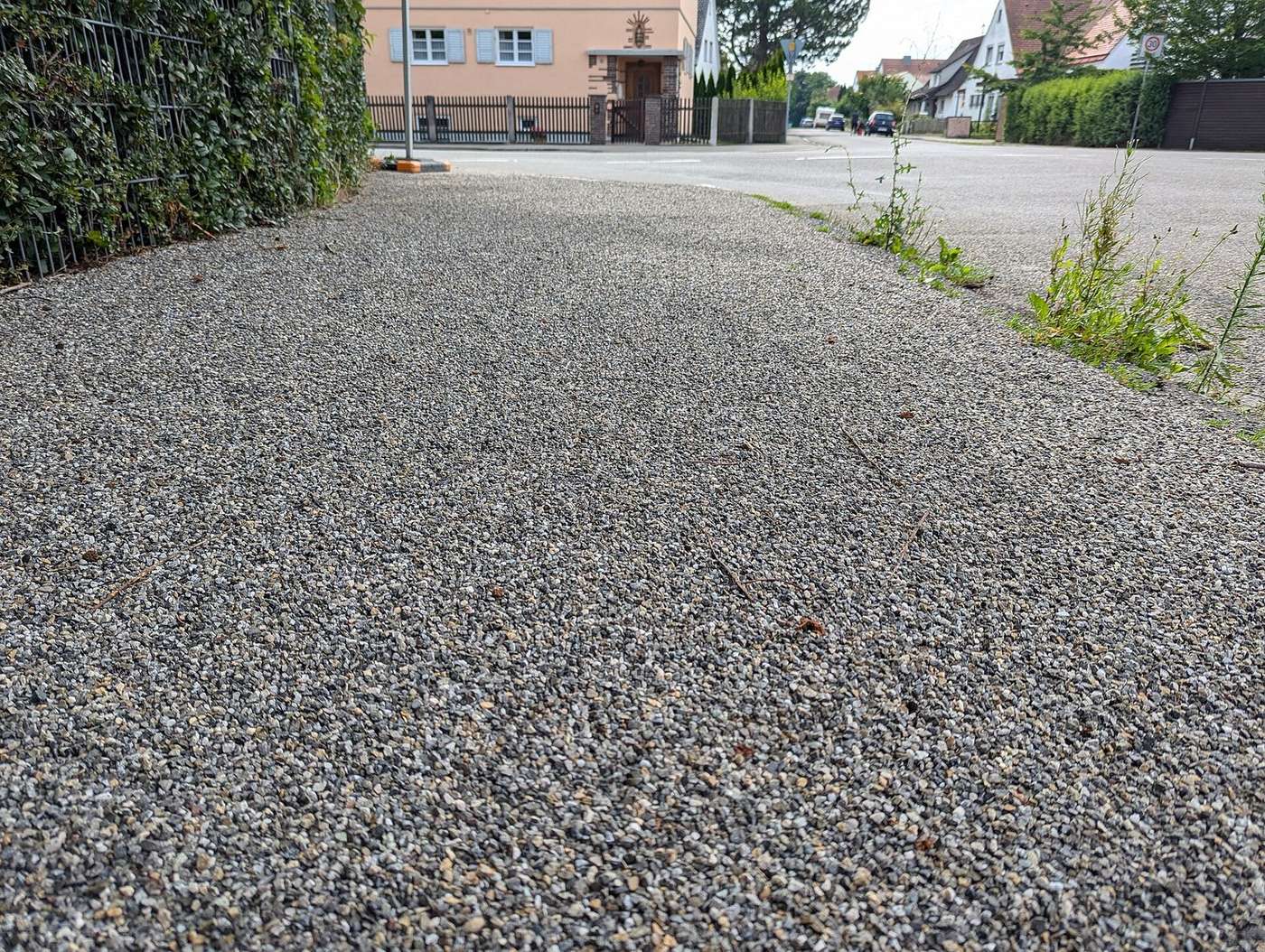
Tar and chip driveways
Hot bitumen and stone chippings for a textured, gravel-look finish.
-
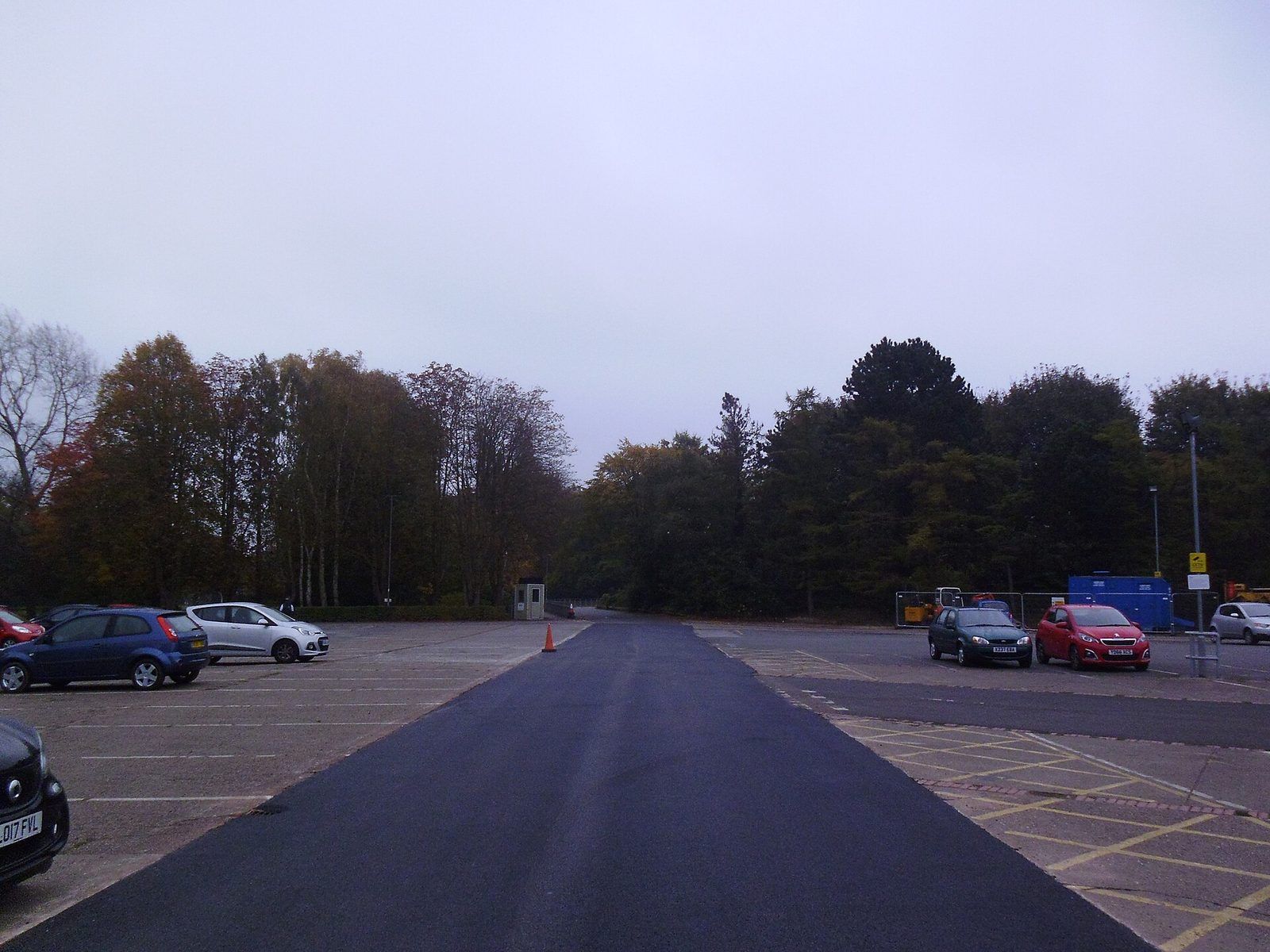
Car parks and access roads
Tarmac for car parks, yards and private roads, with drainage and line marking.
A tarmac driveway is only as good as what is under it
We are a Norwich tarmac firm, and the part of the job we care about most is the part you never see. A driveway that cracks, dips or holds puddles after a winter has almost always failed below the surface: a sub-base that was too thin, ground that was not compacted, or water with nowhere to go. So we start every job by looking at the ground, the levels and where the rain will run, before we talk about the finish.
We work across Norfolk, from terraced streets in the city to long farm lanes. Whatever the size, you get the same plain explanation of what your drive needs, a written price, and a finished surface with clean edges and a proper fall.
- The base is built for the loadDug out, edged and compacted before any tarmac goes down.
- Drainage is planned inFalls, channels and soakaways sorted at the start, not after the first storm.
- A written priceYou know what is included before you decide.
Under the surface
What goes under a tarmac drive
The black surface is the last layer of several. Each one below it has a job, and a drive that cracks, dips or holds water has nearly always failed in one of them.
-
Surface course
The fine, dense layer of asphalt you drive and walk on. It is laid hot and rolled smooth, and it is what gives the drive its even black finish.
-
Binder course
A coarser, stronger layer of asphalt under the surface. It spreads the weight of a car across the sub-base, so the surface is not doing that work alone.
-
Sub-base
Crushed stone, usually MOT Type 1, laid in layers and compacted with a roller or plate. This is the part that carries the load, and the part most often skimped.
-
Geotextile membrane
A tough fabric between the ground and the sub-base. It stops the stone sinking into the soil over time and helps keep weeds from coming up through the drive.
-
Sub-grade
The natural ground, dug out to a firm level. Soft spots, old roots and made-up ground are taken out here, because nothing laid on top can make up for them.
-
Edging kerb
Concrete kerbs or blocks set in concrete along the sides. They hold the edges of the tarmac so it cannot spread or crumble where it meets the lawn or a border.
-
Fall to drainage
The whole surface is laid to a slight slope so rainwater runs to a channel, a soakaway, a lawn or a border, never back towards the house or across the pavement.
How a job runs
-
Step 1: Tell us about your drive
Use the form to tell us roughly how big the area is, what is there now and where you are. Photos help.
-
Step 2: We look at the ground
We visit, check the levels, the existing surface and the drainage, and talk through the options with you.
-
Step 3: You get a written quote
It sets out the dig-out, the base, the edging, the surface and how the water will drain.
-
Step 4: We lay it
The area is prepared and edged, the sub-base compacted and the tarmac laid and rolled.
-
Step 5: Handover
We clear up, walk the finished drive with you and explain how to look after it while it cures.
Questions people ask about tarmac
Do I need planning permission for a tarmac driveway?
Not usually, if the water drains onto your own garden. A new or replaced front driveway over five square metres needs planning permission if rainwater runs off onto the road or into the drains, and standard tarmac does not let water through, so how it drains is part of the plan.
Can you lay tarmac over my old driveway?
Sometimes. If the existing surface is firm and the levels are right, a new layer of tarmac can go over it. If it is breaking up or sinking, the problem is underneath and it needs digging out.
How soon can I drive on new tarmac?
Tarmac goes hard as it cools, but it stays soft enough to mark for a while, especially in warm weather. We tell you on the day when it is safe to walk on, park on and turn the wheel on.
Is tarmac or block paving better for a driveway?
Tarmac gives one smooth, seamless surface and suits long or wide drives and slopes. Block paving gives a patterned look. Both last when the base is right.
Do you work outside Norwich?
Yes. We are based in Norwich and work across Norfolk. Tell us where the job is when you ask for a quote.
Get a quote for your tarmac driveway
Tell us about the job: what is there now, roughly how big it is and where you are. We'll reply to talk it through and give you a price.
- Based in NorwichWorking across Norfolk.