
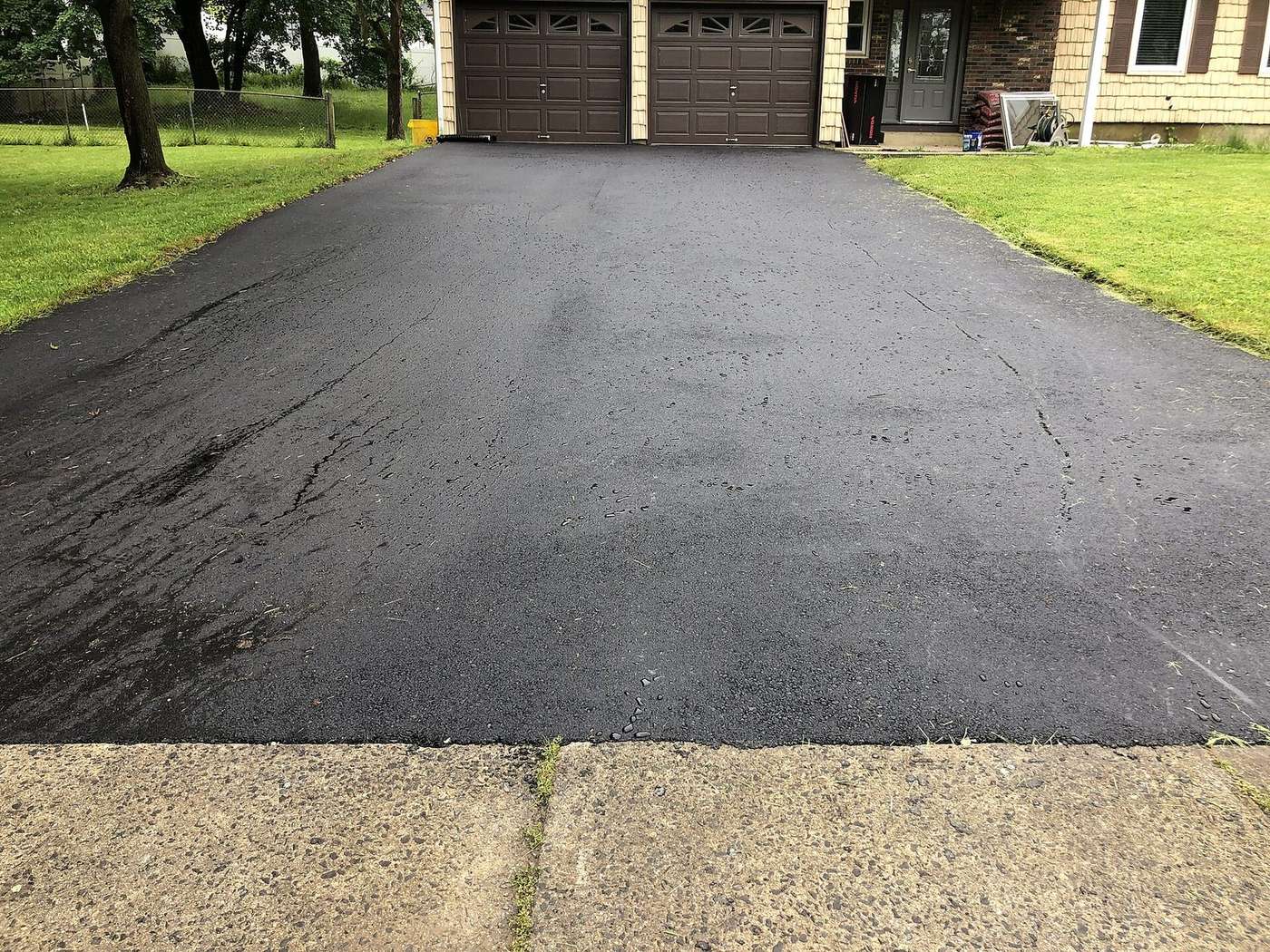
New tarmac driveways in Norwich
Tarmac Driveways Norwich lays new tarmac driveways for homes in Norwich and across Norfolk, built from the ground up on a base that suits your soil and your cars.
What a new tarmac driveway involves
A new tarmac driveway replaces whatever is there now, whether that is a cracked concrete slab, loose gravel, an old lawn or a worn-out drive, with a smooth, dark surface that is laid in one go. It suits most homes: short drives in front of a terrace, wide parking areas for two or three cars, and long drives up to a house or a farm. Because it is laid hot and rolled, it can follow gentle slopes and curves without joints.
The finish is only the top few centimetres. Underneath it is a dug-out area with a firm edge, a layer of crushed stone sub-base compacted in stages, and normally two layers of tarmac: a coarser binder course that takes the load and a finer surface course that gives the smooth look. Get those layers right and the drive stays flat. Skimp on them and it rucks, cracks and holds water.
A new drive is the right choice when the old surface is beyond saving, when you are changing the shape or size of the parking area, or when there is no proper drive at all. If your current tarmac is tired but still solid underneath, resurfacing may do the job for less.
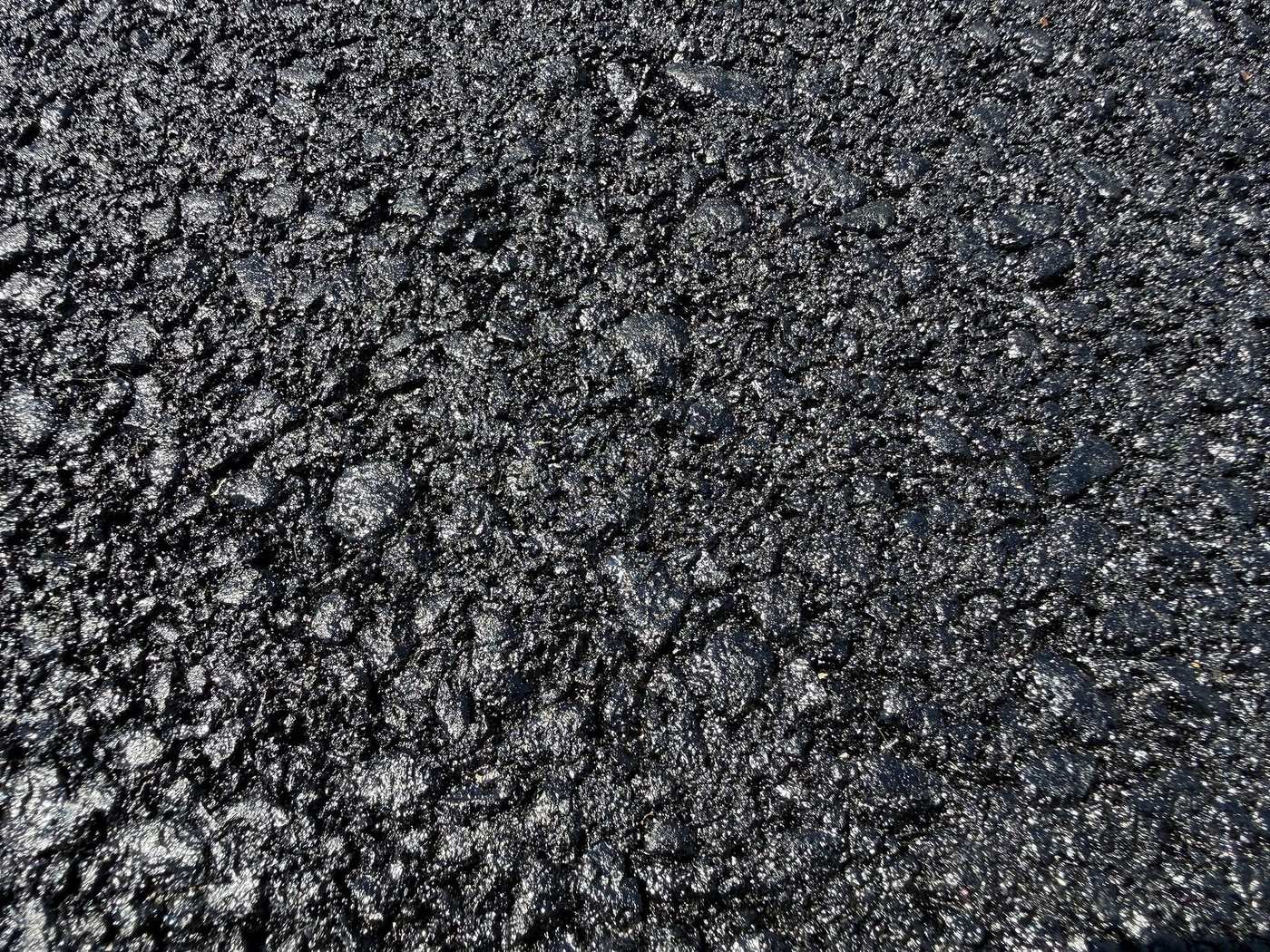
Under the surface
What goes under a tarmac drive
The black surface is the last layer of several. Each one below it has a job, and a drive that cracks, dips or holds water has nearly always failed in one of them.
-
Surface course
The fine, dense layer of asphalt you drive and walk on. It is laid hot and rolled smooth, and it is what gives the drive its even black finish.
-
Binder course
A coarser, stronger layer of asphalt under the surface. It spreads the weight of a car across the sub-base, so the surface is not doing that work alone.
-
Sub-base
Crushed stone, usually MOT Type 1, laid in layers and compacted with a roller or plate. This is the part that carries the load, and the part most often skimped.
-
Geotextile membrane
A tough fabric between the ground and the sub-base. It stops the stone sinking into the soil over time and helps keep weeds from coming up through the drive.
-
Sub-grade
The natural ground, dug out to a firm level. Soft spots, old roots and made-up ground are taken out here, because nothing laid on top can make up for them.
-
Edging kerb
Concrete kerbs or blocks set in concrete along the sides. They hold the edges of the tarmac so it cannot spread or crumble where it meets the lawn or a border.
-
Fall to drainage
The whole surface is laid to a slight slope so rainwater runs to a channel, a soakaway, a lawn or a border, never back towards the house or across the pavement.
What is included in a new tarmac driveway
Every quote sets out exactly what is in it. A typical new drive includes:
- Survey and levelsMeasuring the area, checking the falls and agreeing the shape and the finished height against your house and the road.
- Dig-out and removalTaking out the old surface and enough ground to fit the full build-up, and taking the spoil away.
- EdgingKerbs or edging set in concrete along the sides, so the tarmac has something firm to be laid against.
- Sub-baseCrushed stone laid and compacted in layers to suit the ground and the weight of the vehicles.
- DrainageA fall towards a lawn or border, a channel drain across the entrance or a soakaway, depending on the site.
- Binder and surface coursesThe two layers of tarmac, laid hot and rolled to a smooth, even finish.
- Clear-up and handoverCleaning the site and talking you through how to treat the drive while it cures.
What to plan before you book
A little thought before the visit makes the quote more accurate.
-
How water will drain
Tarmac does not let water through. A front drive over five square metres that drains onto the road needs planning permission, so most are laid to fall onto a lawn or border, or into a soakaway or channel drain.
-
Access from the road
If you need a new or wider dropped kerb, that is a separate application to Norfolk County Council and is done by an approved contractor. Allow time for it.
-
Covers and services
Manhole and inspection covers, stopcocks and meter boxes need to be raised or lowered to the new level. Know where they are.
-
The look at the edges
Decide what you want along the sides: concrete kerbs, block edging or a contrasting border, and whether the drive meets a lawn, a path or a wall.
-
Where the cars go on the day
The drive cannot be used during the work and for a short while after it. Plan where you will park.
Good to know
-
Fresh tarmac marks easily
For the first weeks, and in hot weather, a car turning its wheels on the spot, a motorbike stand or a skip can mark the surface. It hardens with time.
-
The colour softens
New tarmac is deep black and slowly turns a softer grey as the surface binder weathers. That is normal.
-
Oil and fuel soften it
Petrol, diesel and oil soften tarmac. Clean up spills quickly and use a drip tray under a car that leaks.
-
Edges hold it in shape
Tarmac with nothing firm along its edge tends to crumble there first, which is why edging is part of the job.
Before you book
Do I need planning permission for a tarmac drive?
Answer three questions for a quick guide, based on the government's rules for paving over a front garden. Standard tarmac does not let water through, so where the rain goes is what decides it.
The rule in short: a new or replaced hard surface in a front garden that is more than five square metres needs planning permission if it is not permeable and the rainwater runs onto the road or into the drains. It does not need permission if the water drains to a lawn, a border or a soakaway within your own property, or if the surface itself lets water through.
This is a general guide, not advice on your property. Flats, listed buildings, conservation areas and new or wider dropped kerbs have rules of their own, and a dropped kerb needs the highways authority's permission. Check with your local planning authority before work starts.
How a new driveway job runs
-
Step 1: Visit and quote
We look at the site, measure up, check the levels and the drainage, and send a written quote.
-
Step 2: Preparation
We take out the old surface, dig to depth and set the edging.
-
Step 3: Building the base
The sub-base goes in and is compacted layer by layer, with drainage fitted as planned.
-
Step 4: Laying
The binder course and then the surface course are laid hot and rolled while they are still workable.
-
Step 5: Finishing
Edges are sealed, covers set to level and the site cleared, then we walk the drive with you.
Questions about new tarmac driveways
How deep does a tarmac driveway need to be?
It depends on the ground and the vehicles, but a domestic drive needs a compacted sub-base under two layers of tarmac. We set the depth after looking at your soil, not from a fixed figure.
Do I need planning permission?
Not if the rain drains onto your own land. A front drive over five square metres that sends water onto the road or into the public drains needs permission.
Can a tarmac drive be laid on a slope?
Yes. Tarmac copes well with gentle slopes, and the fall can be used to carry water to a drain or a border.
Can you add a border or edging in a different colour?
Yes. Block or kerb edging in a contrasting colour is a common way to finish a tarmac drive.
What happens to my old driveway?
We break it out and take it away as part of the dig-out, unless it is sound enough to be resurfaced instead.
Can it be laid in winter?
Tarmac needs to be laid hot and rolled before it cools, so frost, heavy rain and very cold days can stop work. We plan around the weather.
Other tarmac work we do
-
Tarmac resurfacing
A fresh tarmac surface over a driveway whose base is still sound.
-
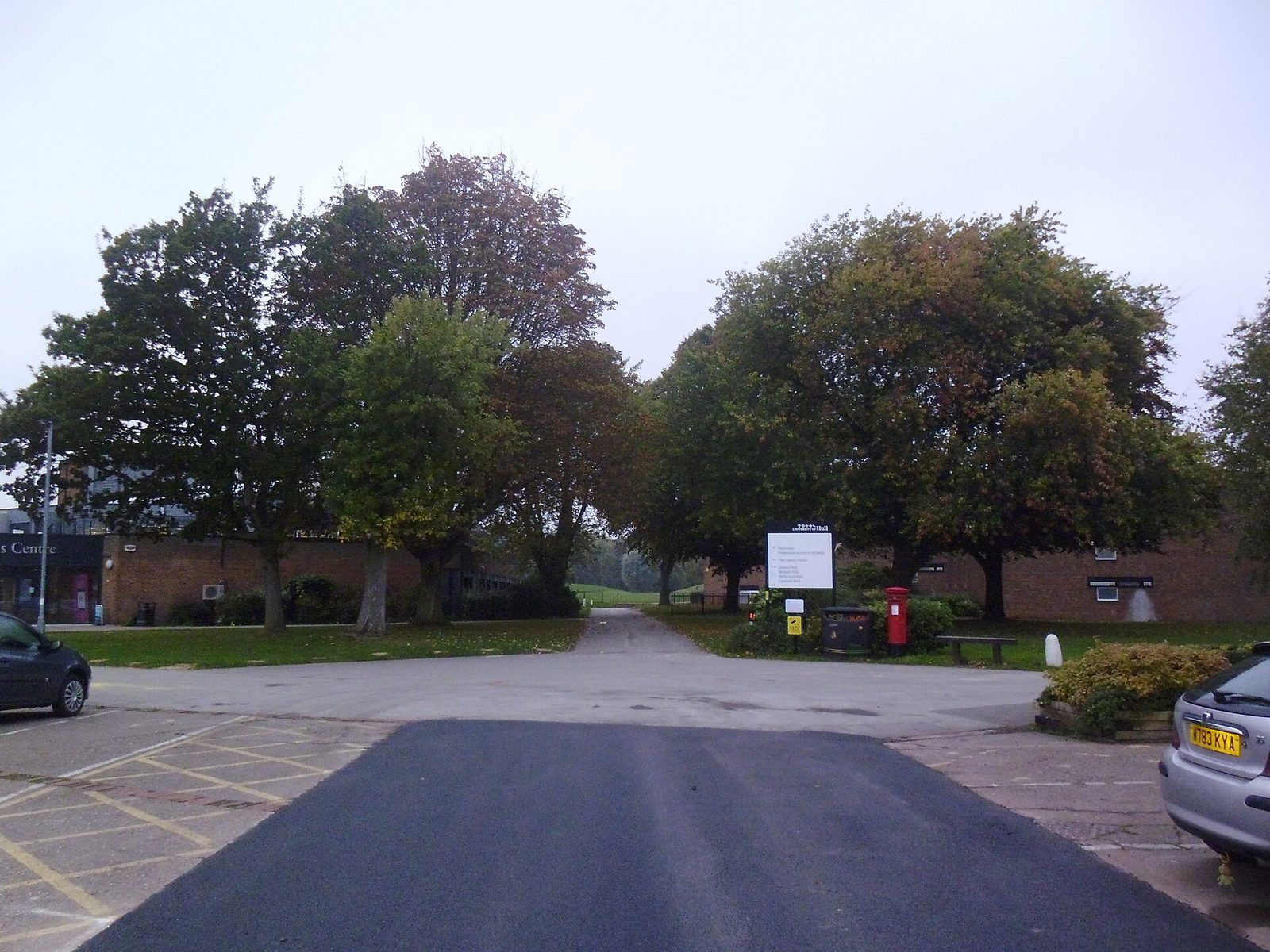
Tarmac repairs
Potholes, cracks and sunken patches cut out and made good.
-
Tar and chip driveways
Hot bitumen and stone chippings for a textured, gravel-look finish.
-
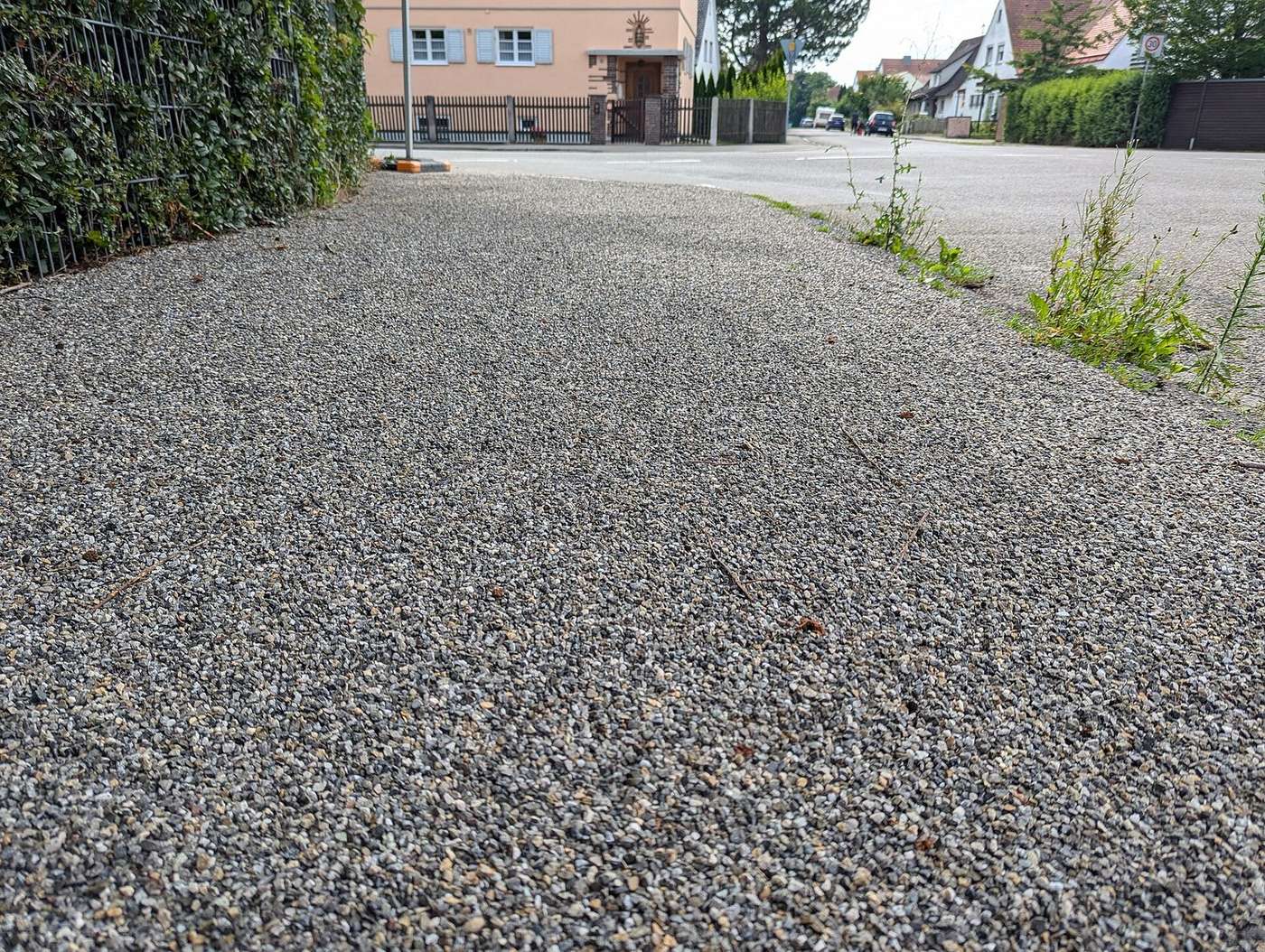
Car parks and access roads
Tarmac for car parks, yards and private roads, with drainage and line marking.
Ready to talk about your tarmac driveways?
Tell us about the job and where it is, and we'll reply to talk it through and give you a price.