
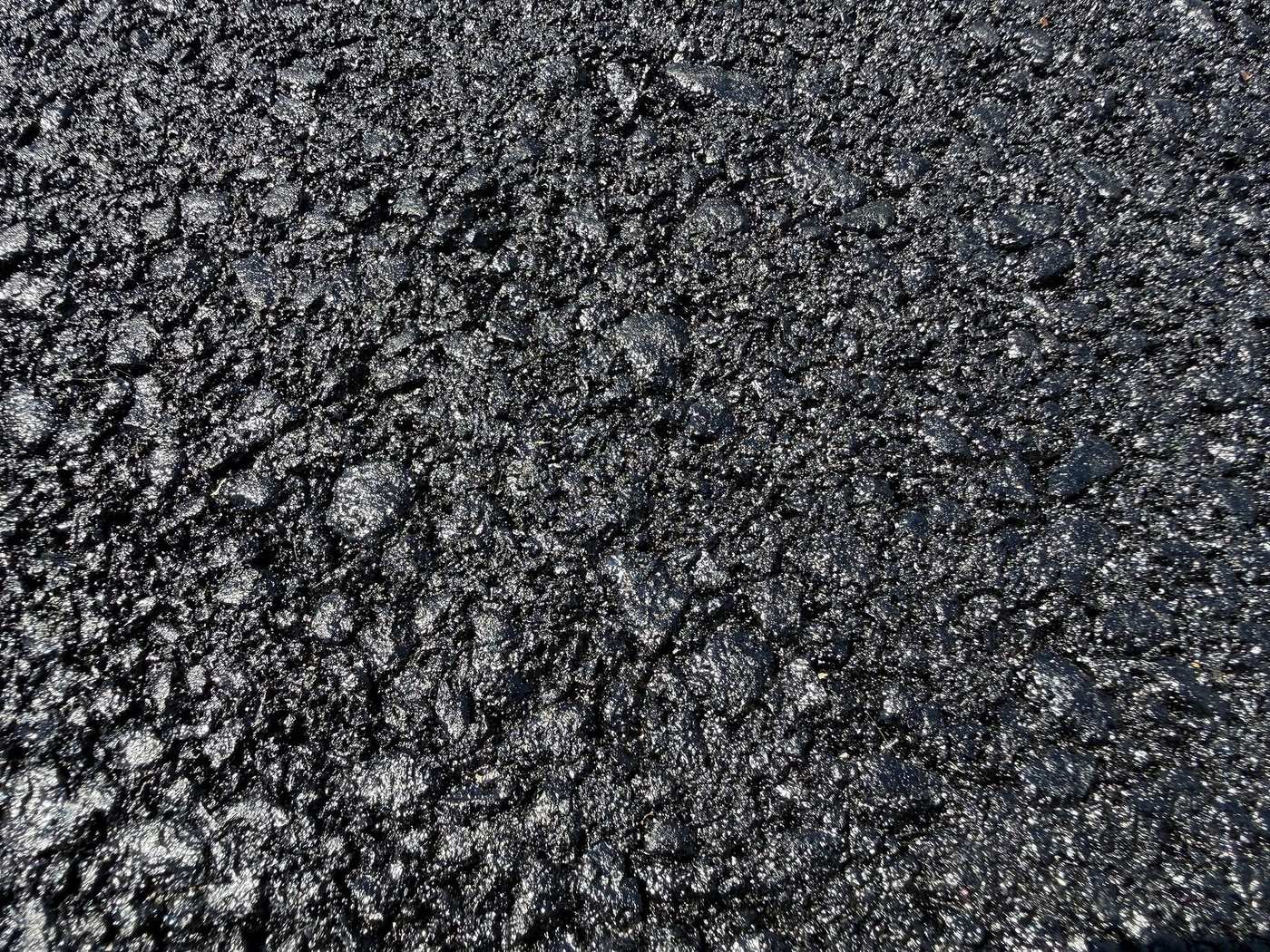
Tarmac resurfacing in Norwich
Tarmac Driveways Norwich resurfaces worn tarmac driveways in Norwich and across Norfolk, laying a fresh surface over a base that is still firm.
What resurfacing is, and when it works
Resurfacing, sometimes called an overlay, means laying a new layer of tarmac on top of an existing drive instead of digging it out. The old surface is cleaned, any loose or broken patches are cut out and filled, a bond coat is sprayed on so the layers stick together, and a new surface course is laid and rolled. You end up with a drive that looks new, without the cost and disruption of a full dig-out.
It only works on a drive that is sound underneath. Faded colour, a rough or stony surface, fine surface cracks and the odd small hole are all good signs that a resurface will last. Deep ruts, wide cracks that open and close, areas that move or rock underfoot, and puddles in dips tell us the base has failed, and a new layer on top would soon show the same faults.
Resurfacing also raises the drive a little, so we check how the new level meets your door thresholds, garage, damp-proof course, paths and the road before we recommend it.
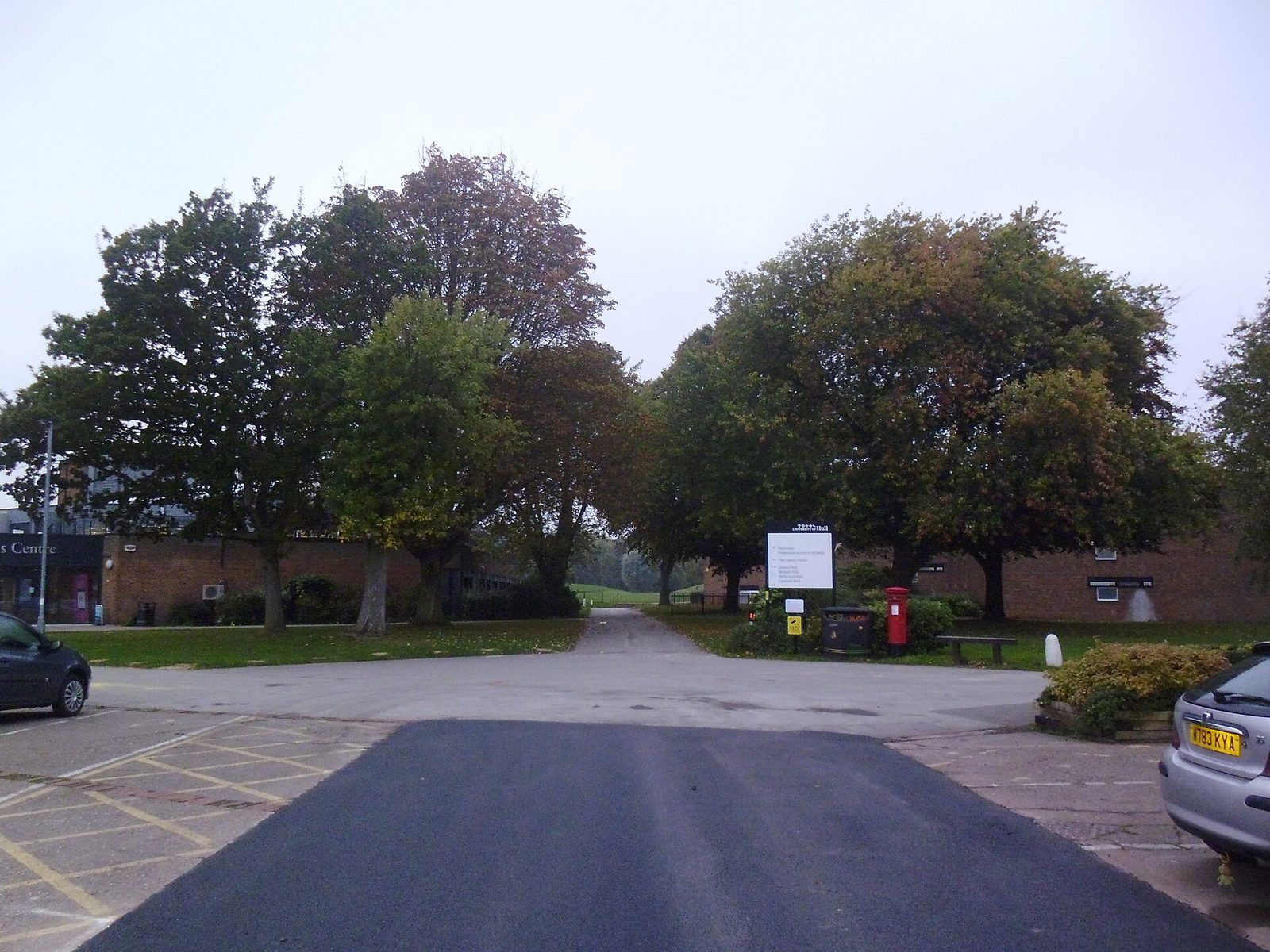
What is included in a resurface
A resurfacing quote normally covers:
- Inspection of the existing driveChecking for movement, failed patches and drainage problems before we commit to an overlay.
- CleaningSweeping and washing the old surface so the new layer can bond to it.
- Making goodCutting out and filling broken areas and potholes so the surface is solid all over.
- Bond coatA bitumen emulsion sprayed over the old surface to tie the new layer to it.
- New surface courseA fresh layer of tarmac laid hot and rolled to an even finish.
- Levels at the edgesTapering or cutting in where the drive meets the road, paths and thresholds, and raising covers as needed.
What to plan before you book
Some things are worth checking before the visit.
-
The height at your door
The new layer adds height. Look at how much room there is below your door threshold and the house damp-proof course.
-
Drainage as it is now
If water already sits on the drive, a new surface will not fix that on its own. Tell us where puddles form.
-
Covers and gullies
Inspection covers and drains need lifting to the new level. Point them out on the visit.
-
Whether the edges are sound
If the existing edging is loose or missing, it is worth replacing at the same time.
Good to know
-
Cracks can come back through
A crack in the old drive can work its way up through a new layer over time. Making good before the overlay keeps that to a minimum.
-
It is not a cure for a failing base
If the base is moving, a resurface hides it for a while. That is why we look before we quote.
-
Fresh surface, same care
A resurfaced drive needs the same gentle treatment in its first weeks as a new one.
-
It can be combined with repairs
Larger failed areas can be dug out and rebuilt first, and the whole drive surfaced over in one job.
How a resurfacing job runs
-
Step 1: Look and test
We check the drive for movement and drainage problems and tell you honestly whether an overlay will last.
-
Step 2: Quote
You get a written quote that says what will be made good and what the new layer covers.
-
Step 3: Prepare
On the day the drive is cleaned, repairs are made and the bond coat applied.
-
Step 4: Lay and roll
The new surface course is laid, rolled and finished at the edges.
-
Step 5: Hand back
We clear up and tell you when you can use the drive again.
Questions about tarmac resurfacing
Is resurfacing cheaper than a new drive?
Usually, because there is no dig-out, less material and less waste. It is only good value if the base is sound, which is what we check first.
How do I know if my drive can be resurfaced?
If it feels solid underfoot, has no deep ruts and does not hold large puddles, it may well be suitable. We confirm it on the visit.
Will resurfacing fix puddles?
Not by itself. Puddles mean a dip or a drainage problem, which needs dealing with before or as part of the job.
Can you resurface over concrete or block paving?
Tarmac can go over a sound concrete drive. Block paving usually moves too much and is better lifted first.
Will the drive be higher afterwards?
Yes, by the thickness of the new layer. We check thresholds, paths and the road edge so the new level works.
Do you need to dig up the edges?
Often a strip is cut out at the road edge and doorways so the new layer can be tapered in neatly.
Other tarmac work we do
-
Tarmac driveways
New tarmac driveways laid on a properly built base, with edging and drainage planned in.
-
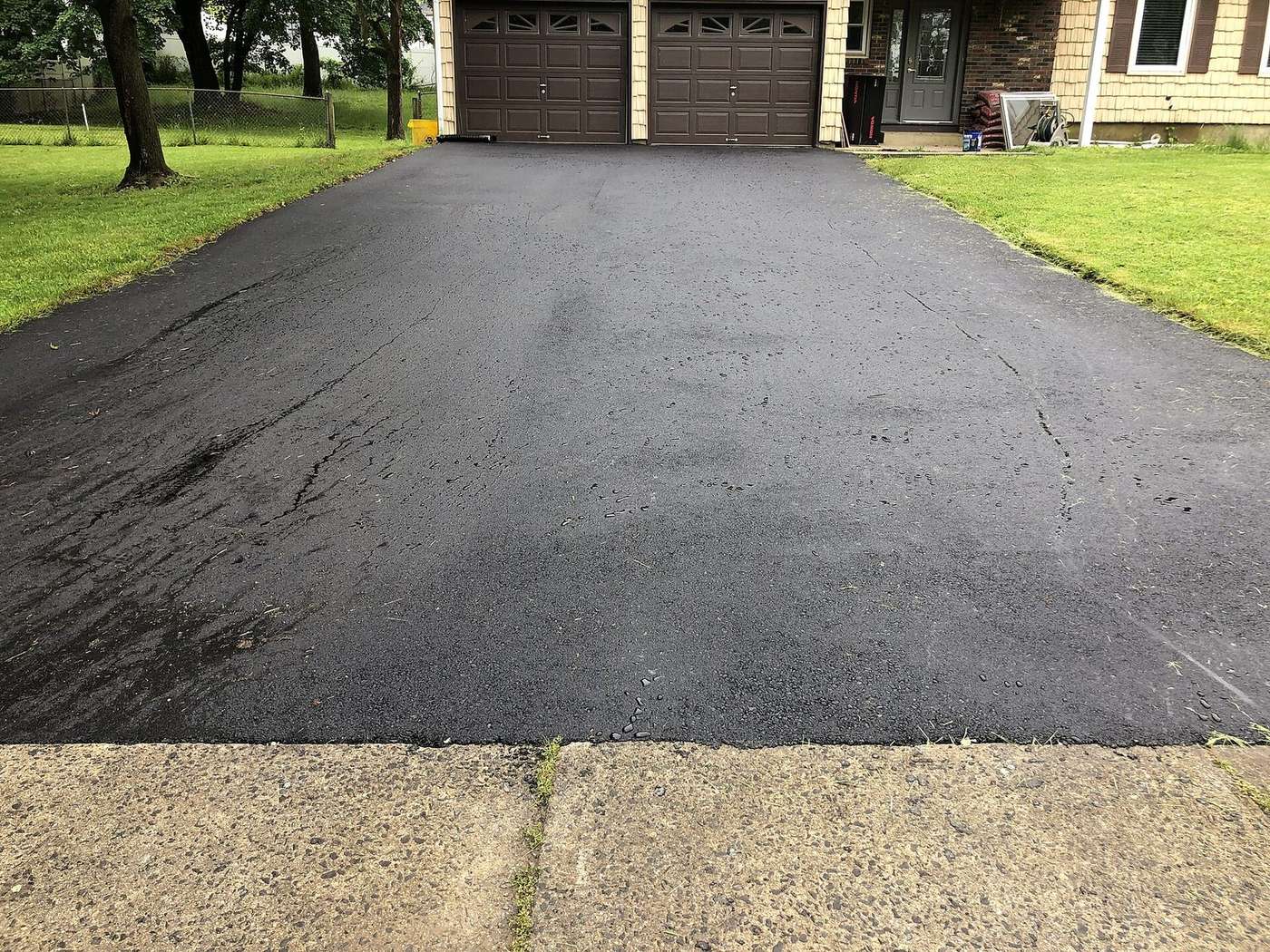
Tarmac repairs
Potholes, cracks and sunken patches cut out and made good.
-
Tar and chip driveways
Hot bitumen and stone chippings for a textured, gravel-look finish.
-
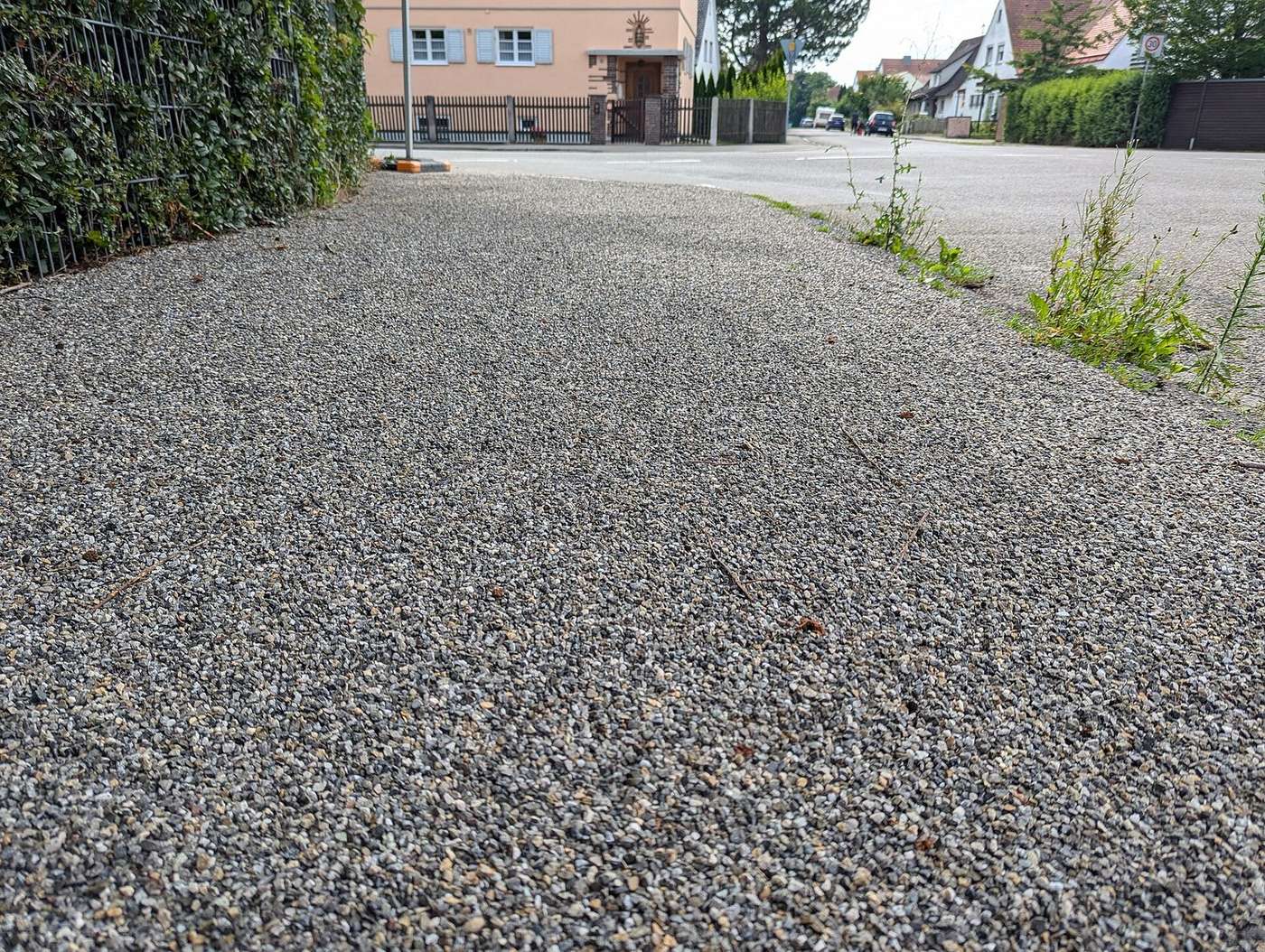
Car parks and access roads
Tarmac for car parks, yards and private roads, with drainage and line marking.
Ready to talk about your tarmac resurfacing?
Tell us about the job and where it is, and we'll reply to talk it through and give you a price.